


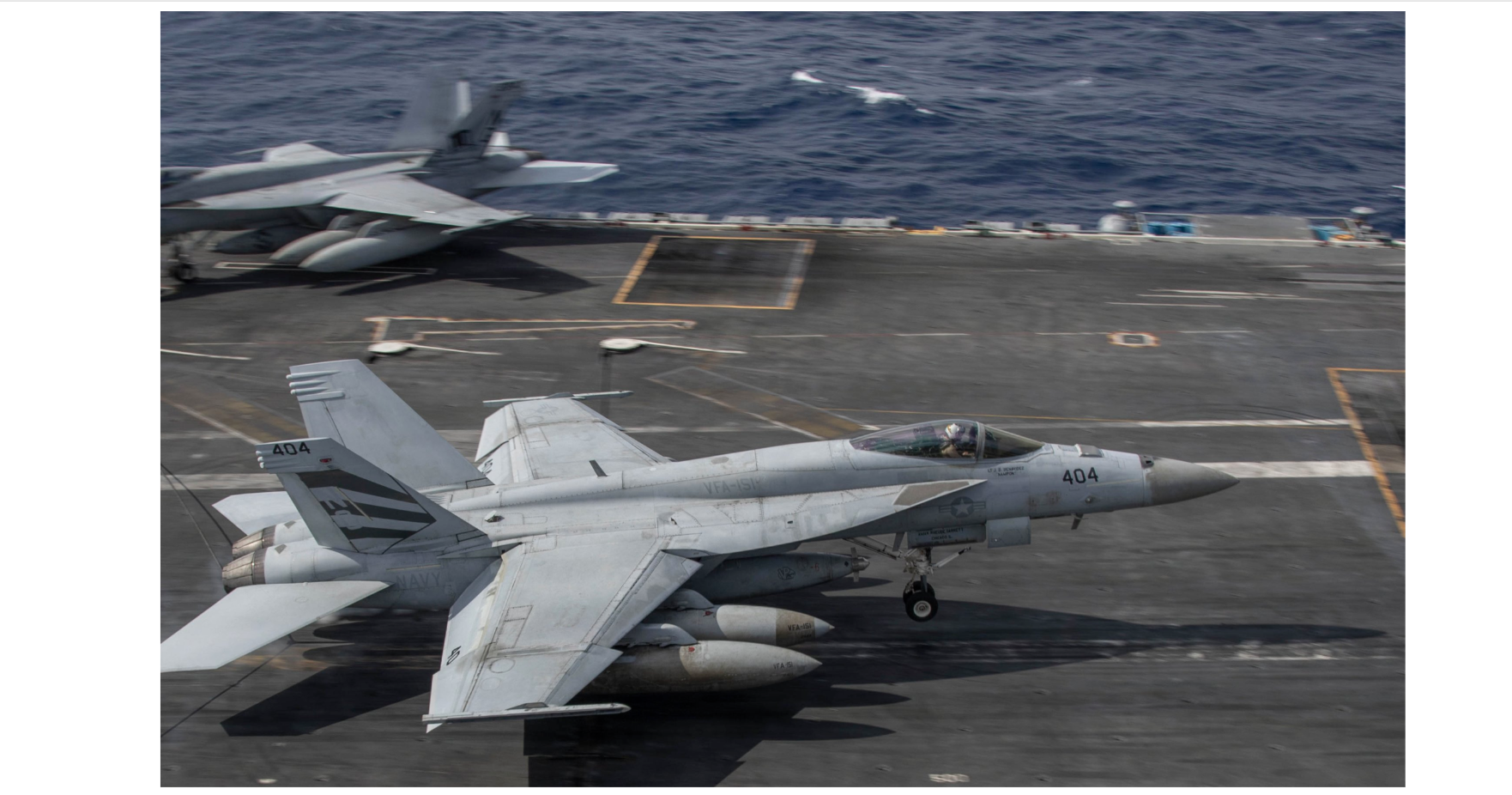
The top U.S. military commander in the Middle East praised the leadership of the long-deployed USS Lincoln after visiting the sailors on the vessel during a regional tour that ended on Saturday, the U.S. Central Command said.
US Central Command chief visits aircraft carrier
Adm. Brad Cooper visited the USS Lincoln as reports have emerged of mental health and supply issues. The Lincoln arrived in the Middle East in January and has been supporting the U.S. war against Iran, including the blockade on Iranian ports. It has spent a record-setting uninterrupted time at sea of more than 240 days.
“History will record this deployment as one of the most operationally intense and consequential of the modern era,” Cooper said of the Lincoln strike group in a statement released Saturday. Extended deployments of carriers — which can have more than 5,000 sailors and Marines on board — have raised concerns.
In a statement Sunday, Cooper praised the leadership on the carrier for making mental health and resilience a priority.
Cooper also went to Bahrain, Iraq, Israel, Jordan, Saudi Arabia and the United Arab Emirates to meet with civilian and military leaders, according to the Central Command statement.
The U.S. Navy's blockade is in response to Iran asserting control over the Strait of Hormuz after the war started on Feb. 28 with U.S. and Israeli strikes. Before then, about one-fifth of the world’s traded oil and natural gas passed through what had been considered an international waterway.
Talks between the U.S. and Iran have stalled while Iran talks with Oman about how to manage the strait that runs between them.
----------------
WASHINGTON (AP) —U.S. Central Command's Adm Brad. Cooper visited the USS Lincoln in the Arabian Sea as reports have emerged of mental health and supply issues aboard the long-deployed aircraft carrier. The Lincoln arrived in the Middle East in January and has been supporting the U.S. war against Iran, including the blockade on Iranian ports. Its deployment has included a record-setting uninterrupted time at sea of more than 240 days.
Extended deployments of carriers – which can have more than 5,000 sailors and Marines on board – have raised concerns about the impact not only on the ships but on service members.
“History will record this deployment as one of the most operationally intense and consequential of the modern era,” Cooper said of the Lincoln strike group in a statement released Saturday.
Cooper also went to Bahrain, Iraq, Israel, Jordan, Saudi Arabia, and the United Arab Emirates to meet with civilian and military leaders, according to the Central Command statement.
The U.S. Navy's blockade was in response to Iran's asserting control over the Strait of Hormuz after the war started on Feb. 28 with U.S. and Israeli strikes. About one-fifth of the world’s traded oil and natural gas passed through the waterway at the mouth of the Persian Gulf before then.
Talks between the U.S. and Iran have stalled while Iran is in discussions with Oman about how to manage the strait that runs between them and had been considered an international waterway.