


Honduran man unlawfully in U.S. faces manslaughter charge in southwest Kansas
By: Tim Carpenter
Kansas Reflector
TOPEKA — Attorney General Kris Kobach asserted a stabbing death in southwest Kansas could have been averted through compliance with a federal court order for deportation of the man later charged in the slaying.
Kobach, a Republican who is seeking reelection against Democrat Chris Mann, said the tragedy made clear why it was important for city and county law enforcement agencies in Kansas to sign cooperative agreements with U.S. Immigration and Customs Enforcement to track down fugitives without the right to be in the United States. Currently, the Kansas Bureau of Investigation, 35 counties and 10 cities have implemented collaborative pacts with ICE.
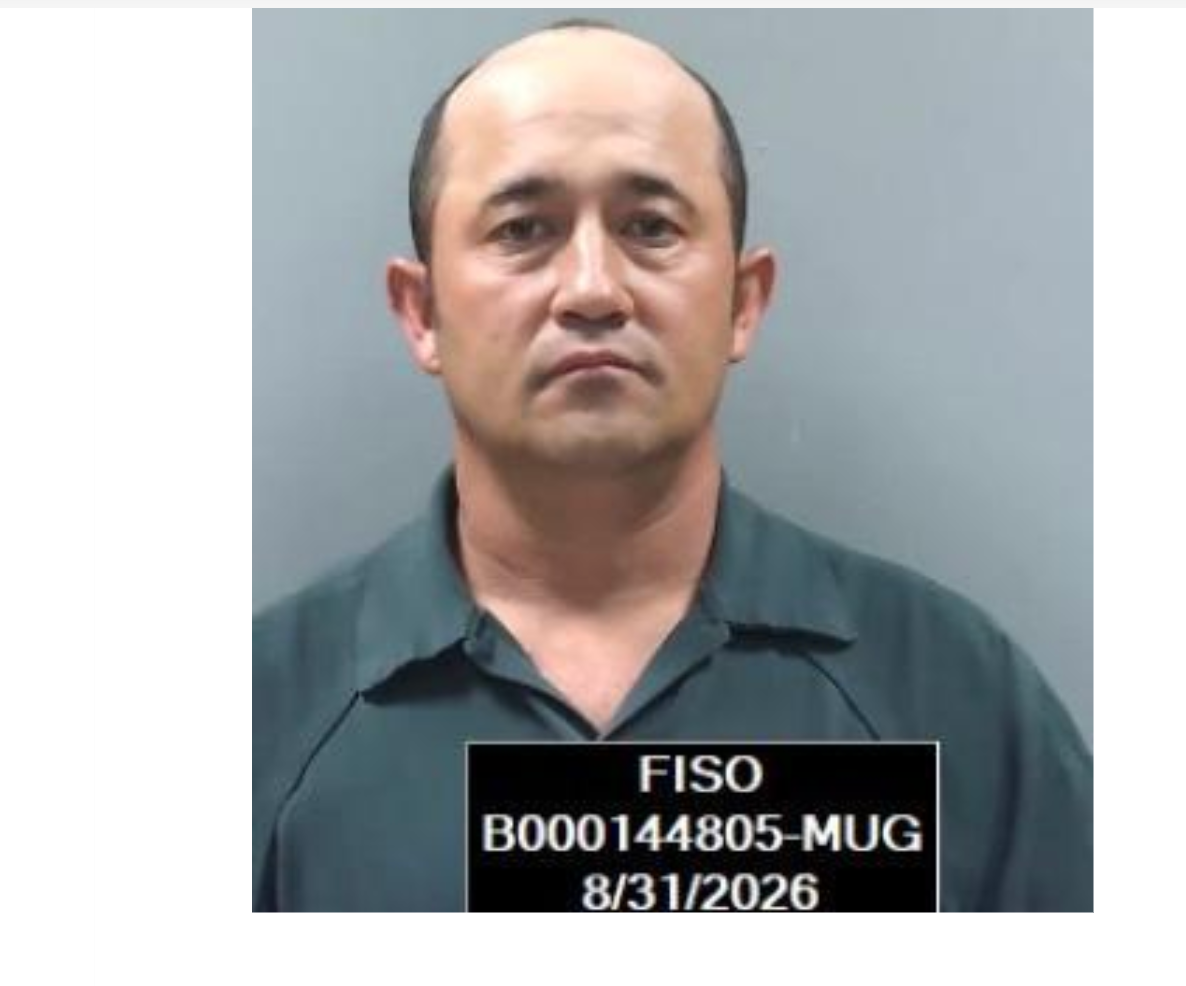
Honduran citizen Erlin Lagos-Gonzales, a 43-year-old resident of Garden City, was accused of voluntary manslaughter in the Aug. 31 killing of Adonis Edgardo Aguilar-Juarez of Lakin. The men were involved in an apparent quarrel at Kansas Dairy Development, a large calf and heifer facility in Deerfield. During the encounter, Aguilar-Juarez sustained life-threatening injuries. He was driven by private vehicle to Kearny County Hospital, where he died.
Lagos-Gonzales was charged Sept. 3 and has been held in Finney County Jail on $500,000 bond. On Tuesday, Lagos-Gonzales made his first appearance in Kearny County District Court. The attorney general said his office would work with the county attorney to prosecute the case.
On July 24, 2025, a U.S. immigration judge issued a deportation order for Lagos-Gonzales, but the directive wasn’t carried out. State prosecutors said they believe Lagos-Gonzales had been living in the United States since 2019 without legal permission.
“This killing never should have happened,” Kobach said. “Erlin Lagos-Gonzales is an illegal alien who received a final order of removal more than a year ago. He should have left the United States then. Instead, he remained in Kansas, continued working, and now stands charged with taking the life of another man.”
Kobach said the case illustrated a nationwide problem in which more than 1.5 million “fugitive aliens” remained at large. The comparable number in Kansas would be in the thousands, Kobach said.
“The problem is too big for ICE alone,” Kobach said. “There is simply no way that the federal officers in ICE can ever remove the 1.5 million fugitive aliens without state and local help.”
Mann, the Democratic nominee for attorney general, said there was no question the perpetrator of the killing had to be held accountable.
He said resources available to sheriffs and police chiefs in Kansas were stretched thin without inserting officers into an immigration enforcement crackdown under the so-called “287g” program.
“Kris Kobach has not taken the time to speak with sheriffs across the state about their decision to sign or not sign a 287g agreement,” Mann said. “I have spoken to dozens of sheriffs, chiefs of police and law enforcement, and what I’ve heard is that they don’t have the resources to take on additional responsibilities, and they need more support — support they are currently not getting from the attorney general.”
Mann said decisions of local law enforcement agencies shouldn’t be dictated by politicians working in Topeka.
“I trust our local sheriffs to make the decision that is best for their community and, as attorney general, I will work with each of them to ensure they have the resources needed to hold violent criminals accountable and keep their communities safe,” Mann said.
Kobach ordered the KBI in early 2025 to acquire 287g authority so the agency could work alongside ICE throughout the state.
Kobach said he expected half the 70 county law enforcement agencies yet to sign 287g deals with ICE to eventually get on board.
As an incentive, the Kansas Legislature enacted a bill guaranteeing the Attorney General’s Office would represent local law enforcement agencies if litigation arose from involvement in the program affiliated with ICE. There had been apprehension in some counties that insurance policies wouldn’t adequately cover that contingency.
“Anyone who thinks that local law enforcement should not collaborate with ICE immigration removals is 100% wrong. Such collaboration saves lives and keeps our streets safe. It will remain a high priority of mine as long as I’m attorney general,” Kobach said.
So far, KBI interim director Robert Jacobs said the KBI’s routine criminal casework had identified 11 people with deportation orders and 14 others ripe for deportation who were on the state’s offender registries.
Brian Hill, the Shawnee County sheriff, said the county’s participation in the 287g program was beneficial. He recalled seven instances in which a person subject to a deportation order was identified through the process of running names through a database.
“I think if local law enforcement is part of this program it does allow them the access to know these people are here illegally and you’re not letting people go back to the community that shouldn’t be there,” the sheriff said.