


Children's Mercy
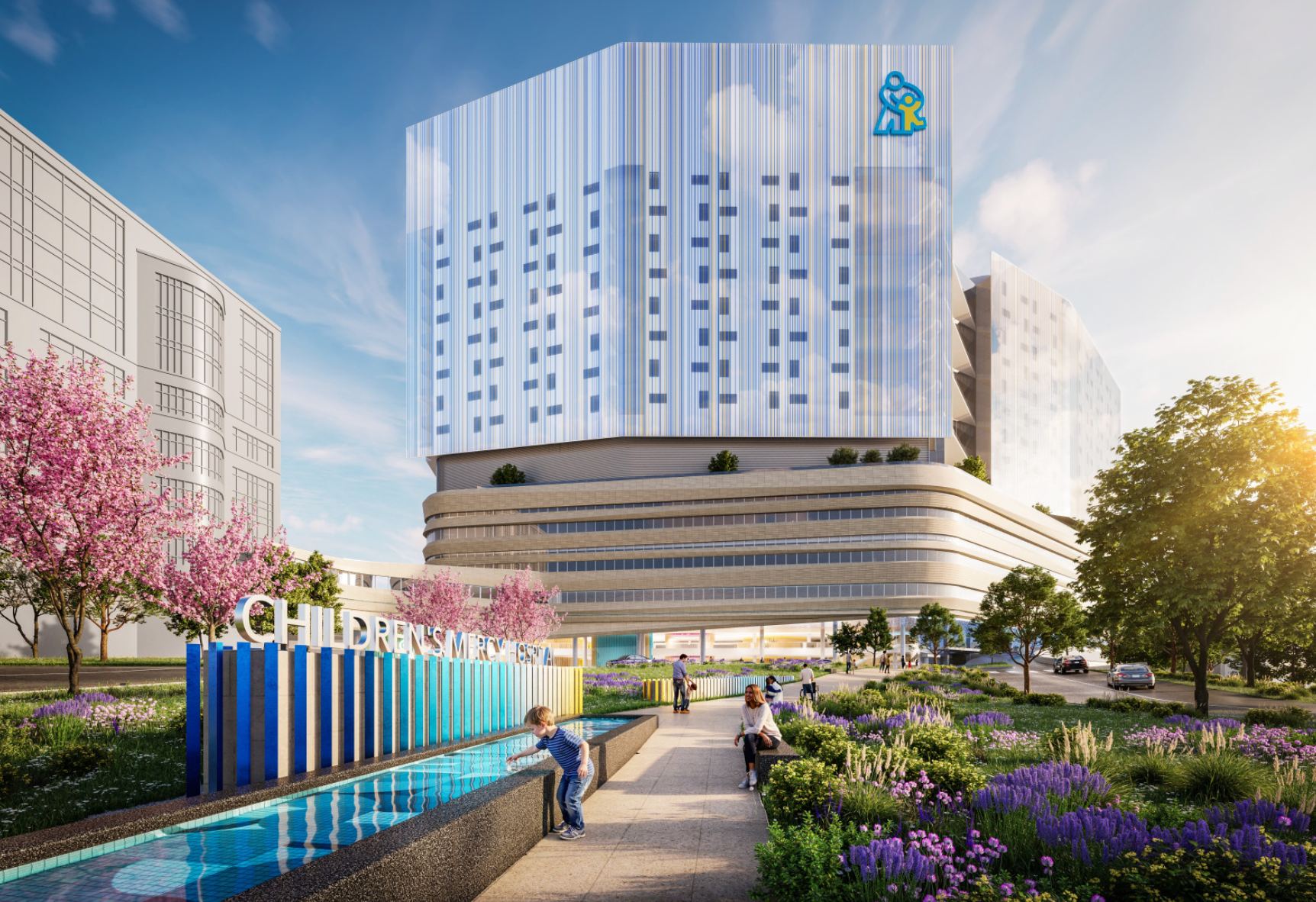
Children’s Mercy announced a transformative expansion of pediatric care in the Midwest, unveiling a new acute patient tower at its flagship Adele Hall campus in downtown Kansas City, Missouri. The growth is in response to increasing demand for highly specialized pediatric care as general hospitals nationwide reduce pediatric capacity and more families rely on Children’s Mercy as a destination for their child’s complex healthcare.
One of just 28 freestanding pediatric hospitals in the U.S., Children’s Mercy takes care of children across a multi-state region and nationwide, providing the highest level of pediatric expertise, rapid rare-disease diagnosis and highly specialized treatment. High-acuity areas such as the Pediatric Intensive Care Unit (PICU), Neonatal Intensive Care Unit (NICU) and the Emergency Department consistently serve some of the region’s most medically complex patients. Third party assessments by Deloitte and HDR warn that, within five years, existing capacity will meet only 67% of projected total bed needs and 40% of projected NICU demand.
“Demand is already pressing our capacity, so this is about readiness and responsibility. When a child in our community needs an ICU bed, and minutes matter, we must have the space and the very best teams ready to act,” said Alejandro Quiroga, MD, MBA, President and CEO, Children’s Mercy. “This investment protects our ability to say ‘yes’ to the next child who needs us, while strengthening the expertise, compassion, and advanced care families count on. It’s the same obligation we’ve carried for 129 years, and we’re building for what comes next.”
The new tower will expand overall total capacity by 25-30% and integrate next‑generation technology with more flexible spaces. Early design plans include:
- A new home for the PICU and NICU, and expansion of the ED, that will increase patient capacity and support the most complex pediatric needs.
- A state-of-the-art surgical center with future-ready technology, including robotics.
- Improved clinical flow and adjacency to help care teams collaborate more seamlessly.
- More natural light, green space and thoughtfully designed areas that enhance patient and family comfort and healing.
- Spaces intentionally designed to translate bold science and research into real-world treatments and cures.
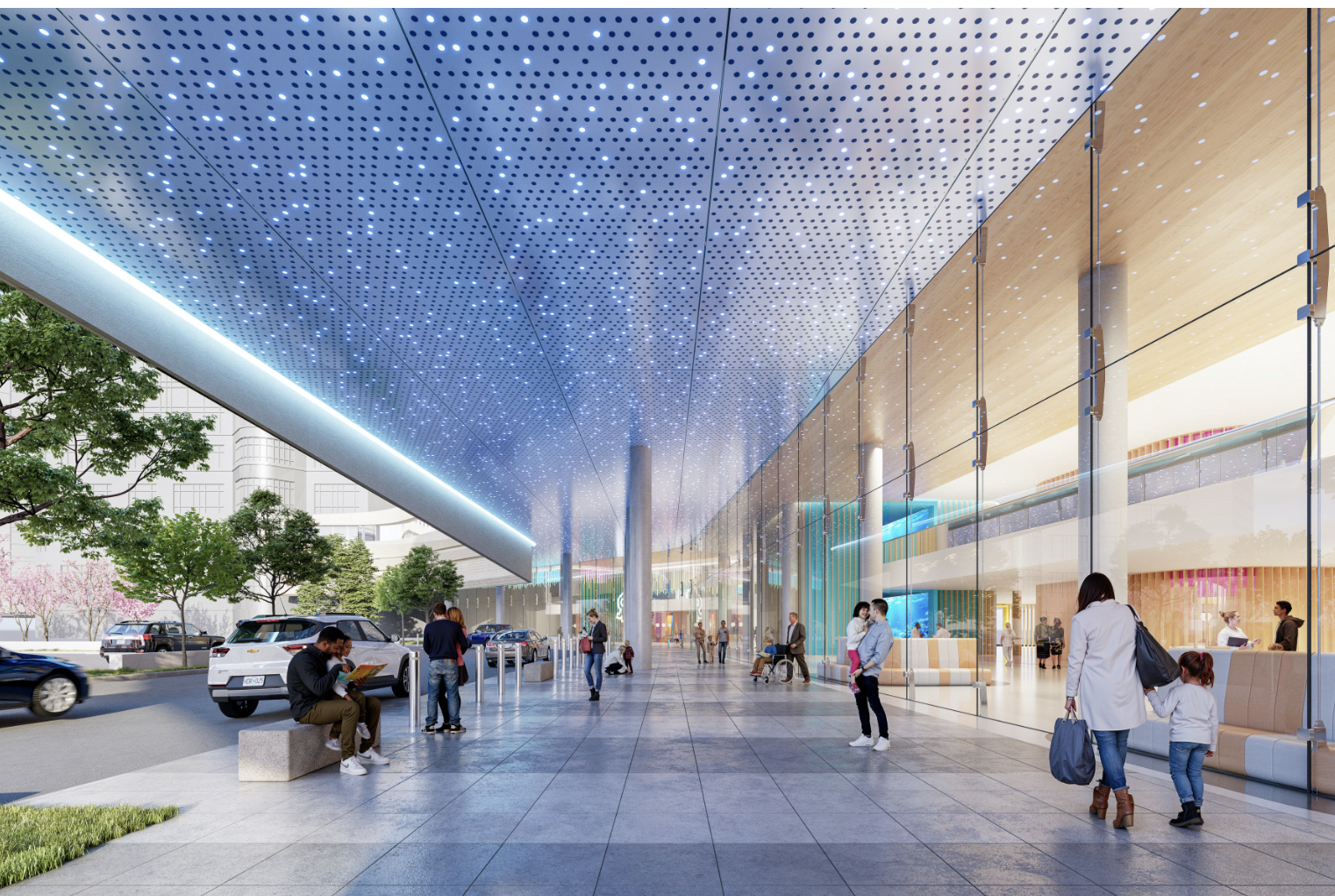
- A new lobby with dedicated spaces designed to support patients, families and staff.
Children’s Mercy was founded by two trailblazing sisters who believed all children deserved the very best medical care—not someday, but now. Today, leaders across Children’s Mercy thanked the Board of Directors for continuing to back that promise by investing with urgency.
“This moment reflects real momentum and a clear choice to honor our legacy by building what kids need next,” said Dr. Quiroga. “It’s powered by our people, backed by our Board and made possible by a community that believes children deserve nationally recognized care, built for families. This isn’t just Children’s Mercy growing; it’s Kansas City leading for kids today, and for the future.”
Diane Gallagher, Chair of the Children’s Mercy Board of Directors, added children guide every decision. “Everything we do begins and ends with kids—from expanding care closer to home across our region, to confronting the pediatric mental health crisis head on, to building a world-class research enterprise that advances gene therapy, theranostics and rapid diagnosis. This new tower is being built because of the urgent need we have for more pediatric beds in the region and for our care teams to push what’s possible in pediatric medicine, which is made possible by a community that believes deeply in investing in kids.”
The estimated cost of the project is more than $1B, which will be supported by private-public investments built on community philanthropy and long-standing collaboration.
Enabling work is expected to begin this fall, with a goal of project completion in 2031.